


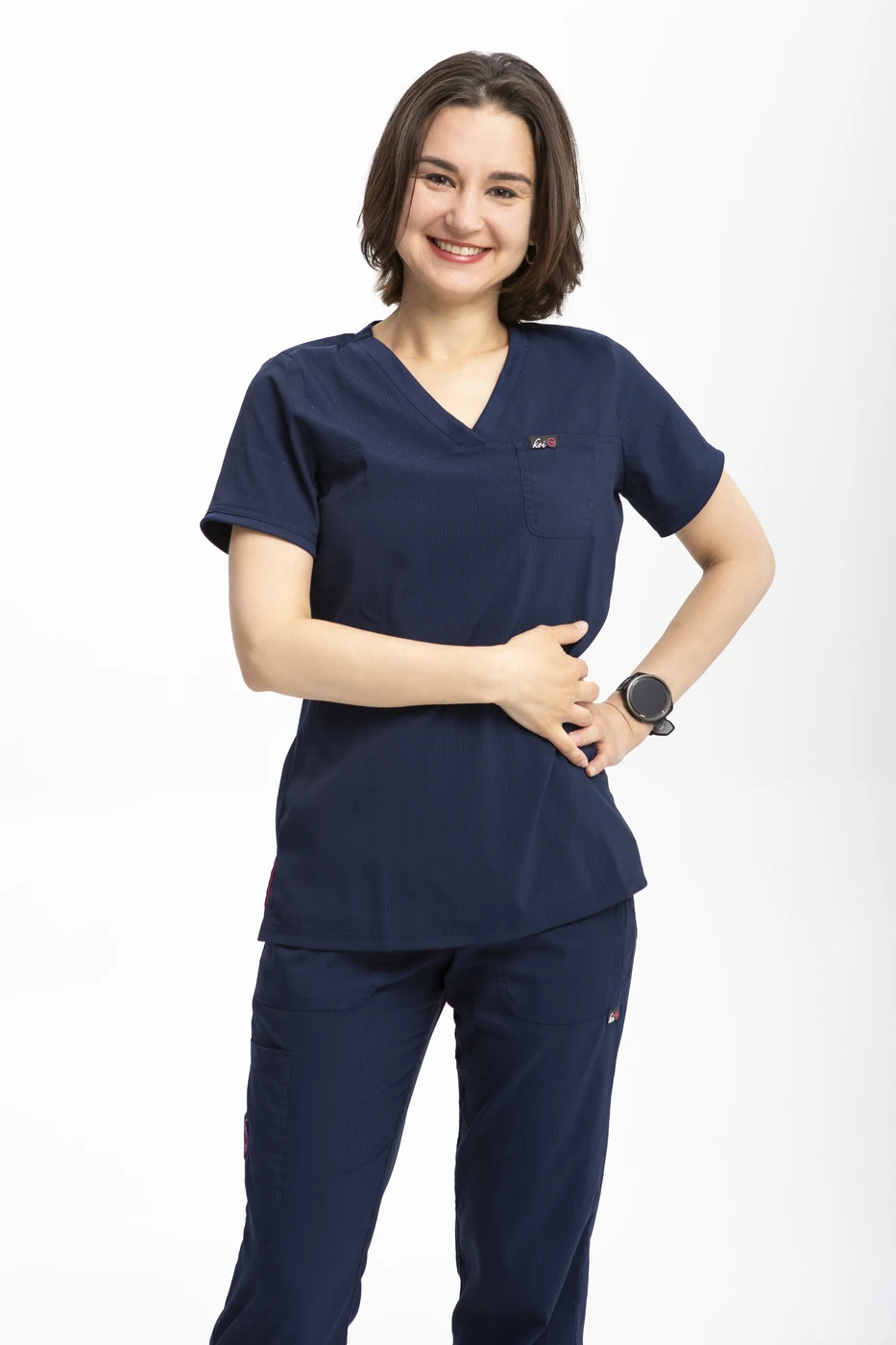
Qualifications and experience
- Osteopath (BSc, DO, Hons.)
- More than 10 years of experience in wellbeing practices.
- Five years of training at the European School of Osteopathy (UK).
- Mulligan Manual Concept for sports rehabilitation.
- Certified kinesiology taping practitioner (Bbalance).
- Orthotic insoles.
Postgraduate seminars
- Sports rehabilitation using the Mulligan Manual Concept — Joseph M. Andersen.
- The temporomandibular joint, breathing patterns and adenoids — E. S. Terentyeva, M. S. Sakharova and L. A. Lasovetskaya.
- Advanced training in orthotic insoles and the foot — K. E. Shlykov.
- Scoliosis, postgraduate training in post-COVID recovery, stress and emotional difficulties, and care during pregnancy — L. A. Lasovetskaya.
- Pelvic floor and women’s health — Anatomy of Pilates, Upgrade Center.
- Tensegrity, thrust techniques and the pelvis — D. Parsons, R. Molinari and others.
- Sports injuries — E. Kadlubinsky and G. Elgin.
Areas of practice
- Almost any pain in the back, neck, elbow, hand, shoulder, knee or foot, or pain during menstruation, provided you have already been examined by your treating doctor.
- Recovery after sports injuries and pain during sports.
- Scoliosis, including in children.
- Pregnancy, postpartum recovery, women’s health (including concerns about unwanted sounds or leakage) and painful periods.
- Jaw problems, such as uneven opening or clicking in the joint.
- Mouth breathing in children, adenoids and bite problems.
How does a session work?
A session lasts about an hour.
At the beginning of the session, we talk about what is troubling you. I will ask questions to better understand your particular situation.
Please bring the results of any recent investigations, if you have them. You do not need to bring anything else in particular.
After that, I will ask you to undress to your underwear. This will allow me to gather more information about possible dysfunctions.
We will do a few simple tests. I will ask you to repeat some movements to assess joint mobility and identify problem areas.
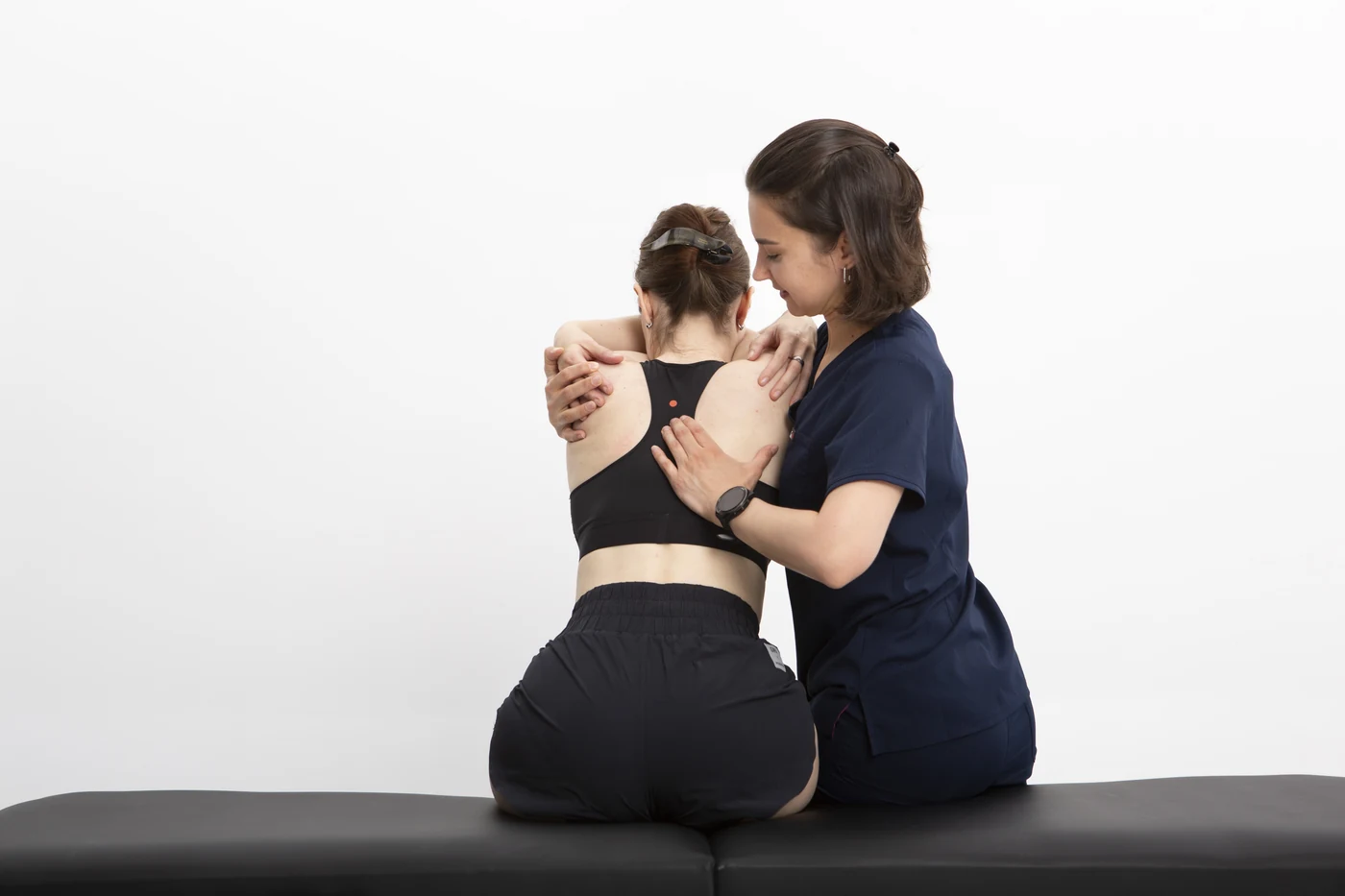
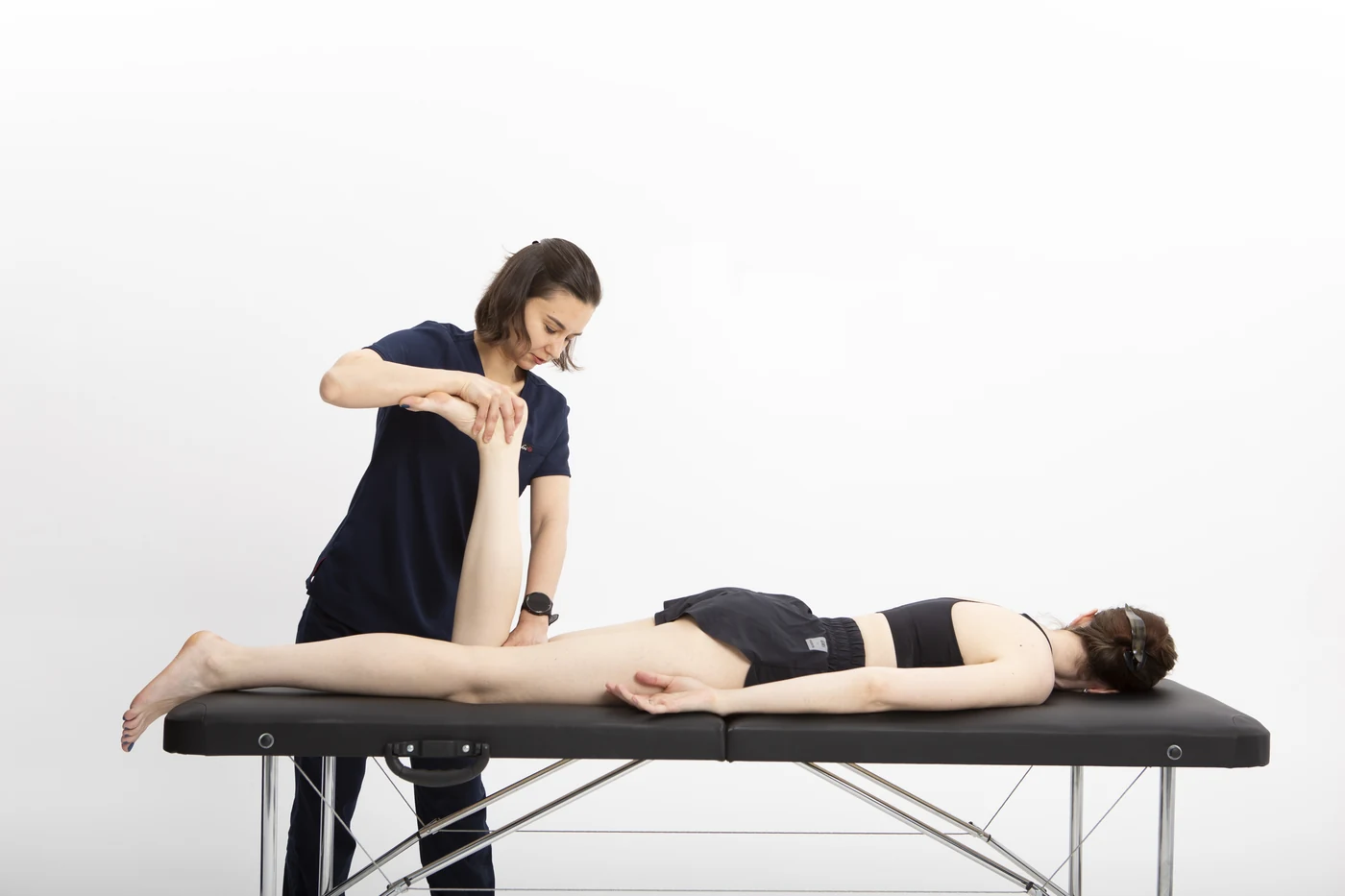
I often use hands-on techniques and structural osteopathy during a session. I will ask you to get up and do some exercises, and I will check how your pain has changed by the end of the session. I may use taping if I think it is needed. I will also give you advice and exercises to help you feel better sooner.
After the session
You will usually feel like sleeping and resting after a session. Plan a rest day in advance (no hauling things or digging up the garden) to help you recover faster.
Avoid scheduling serious meetings or negotiations.
If you have an activity or an important game planned for the next day, please tell me during your session :)
Pictures
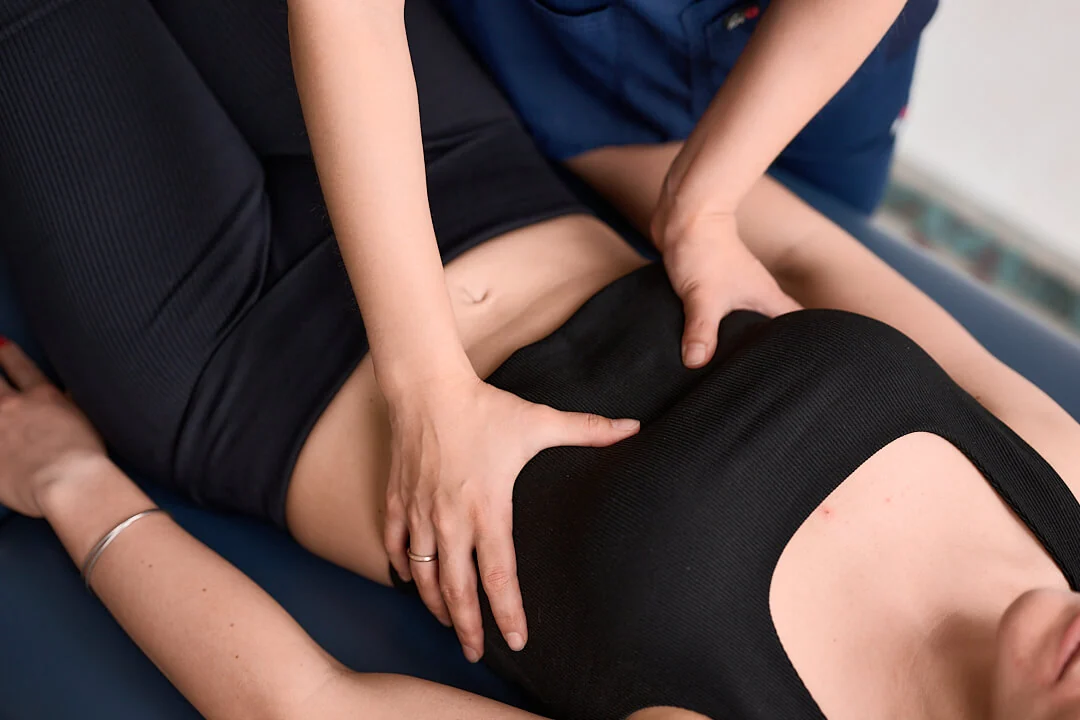
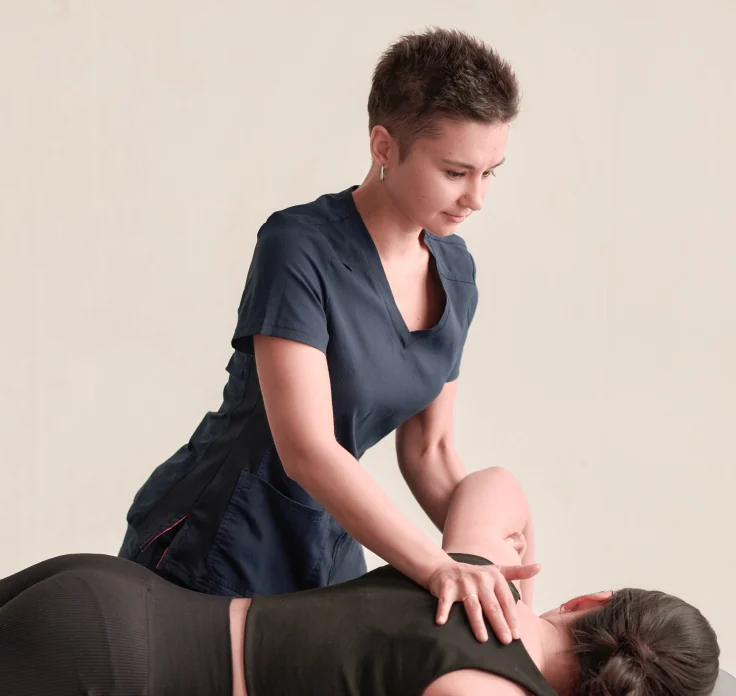
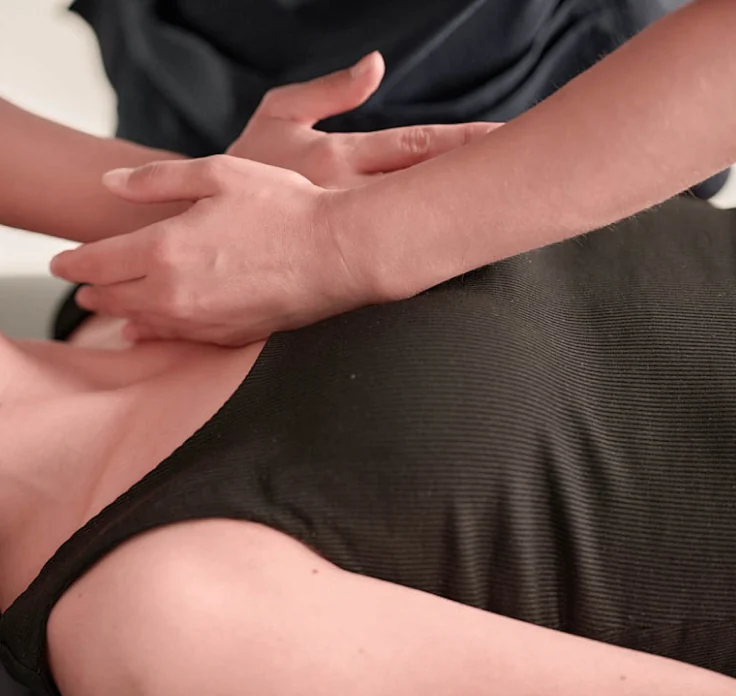
Reviews
Use the arrows or swipe left and right through the reviews.
Reviewer not named
Date not shown · 12:51 PM
Translated from Russian
I went to Olga because of tension in my jaw. Olya is simply a magician!!! The jaw muscles relaxed after the very first visit, and after the second I no longer feel any tension at all. She also helped with my back problems. Olga is very attentive and responsive; the session flies by without you noticing! 😊
Reviewer not named
Date not shown · 4:39 PM
Translated from Russian
Olga, I can’t hold back my tears of joy or stop thanking you for the millionth time. You’ve simply saved me. I can finally feel the urge to go to the toilet. Though the timing isn’t great: the water has been off for two days 😀 I swear on my mother, I’ll have all the tests done. Thank you again. You may use my review for advertising.
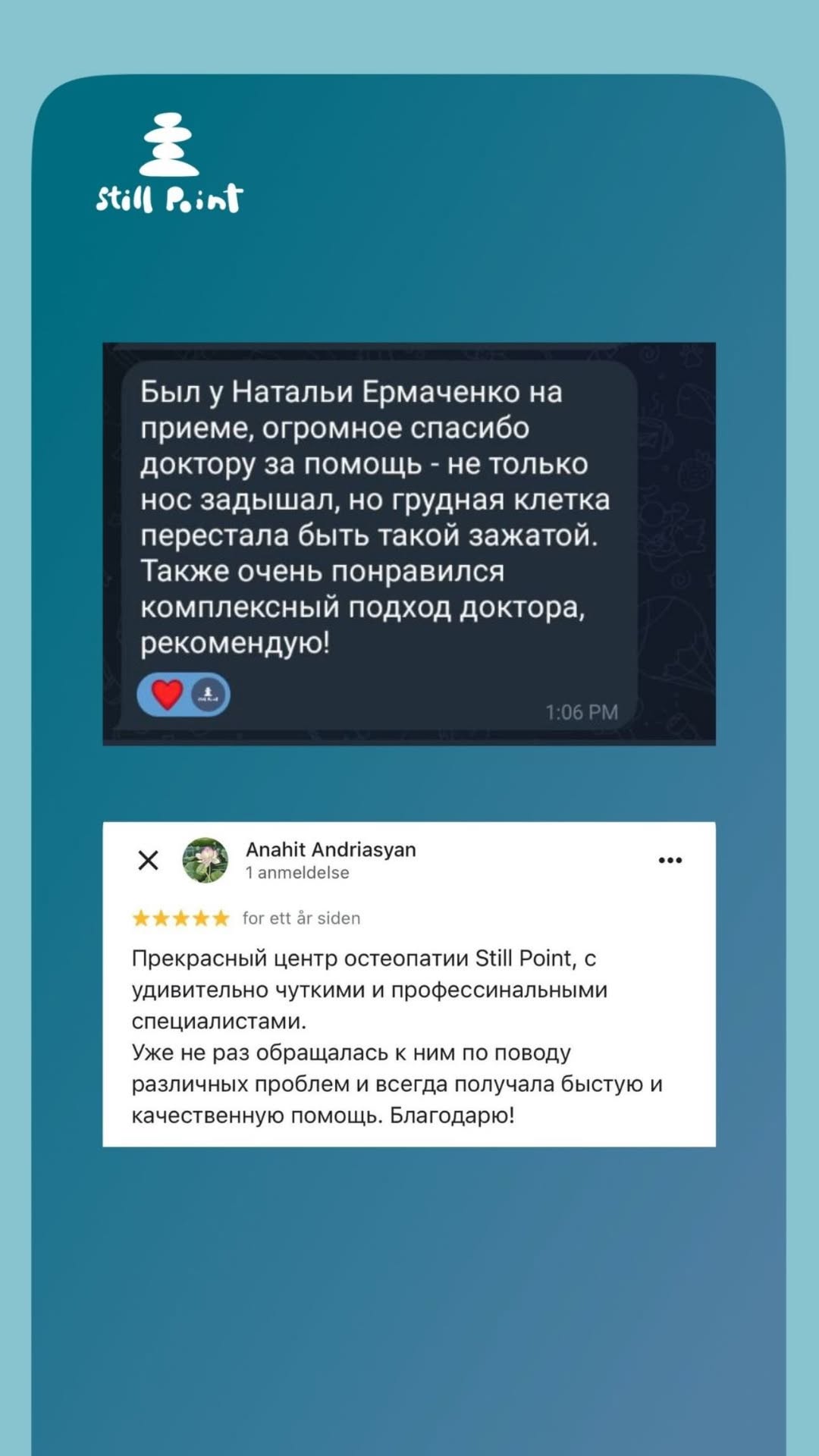
Anahit Andriasyan
Date not shown
Translated from Russian
Still Point is a wonderful osteopathy centre with remarkably attentive and professional specialists.
I have turned to them several times with different problems and have always received prompt, high-quality help. Thank you!
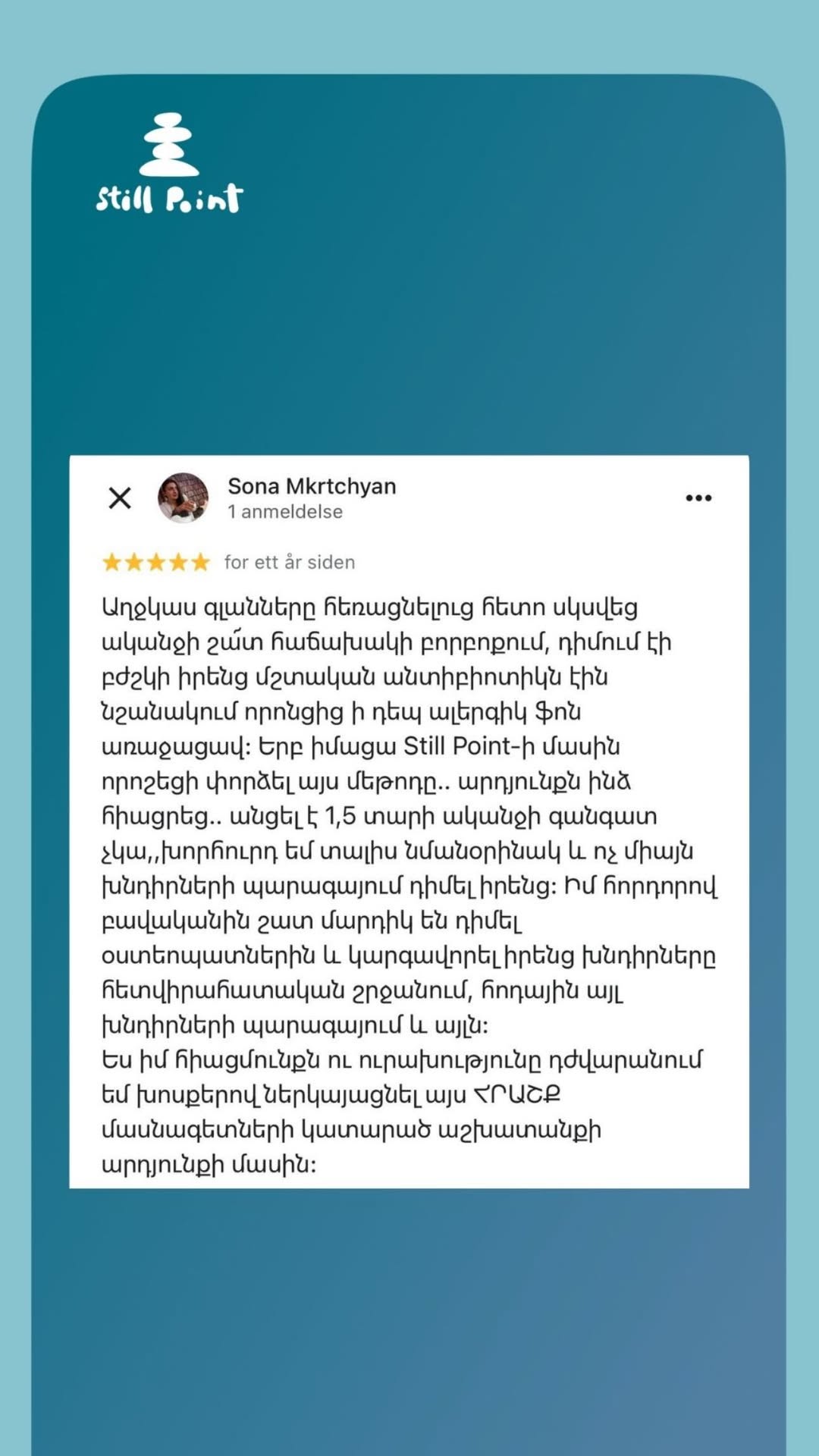
Sona Mkrtchyan
Date not shown
Translated from Armenian
After my daughter had her tonsils removed, she began getting very frequent ear infections. I would go to doctors, who kept prescribing antibiotics; incidentally, those also brought on an allergy. When I heard about Still Point, I decided to try this method. The result amazed me: a year and a half has passed without any ear complaints. I recommend contacting them for similar problems and others too. Quite a few people have consulted osteopaths on my recommendation and resolved problems after surgery, joint problems and other issues.
I find it hard to put into words my admiration and joy at the results of the work of these WONDERFUL specialists.
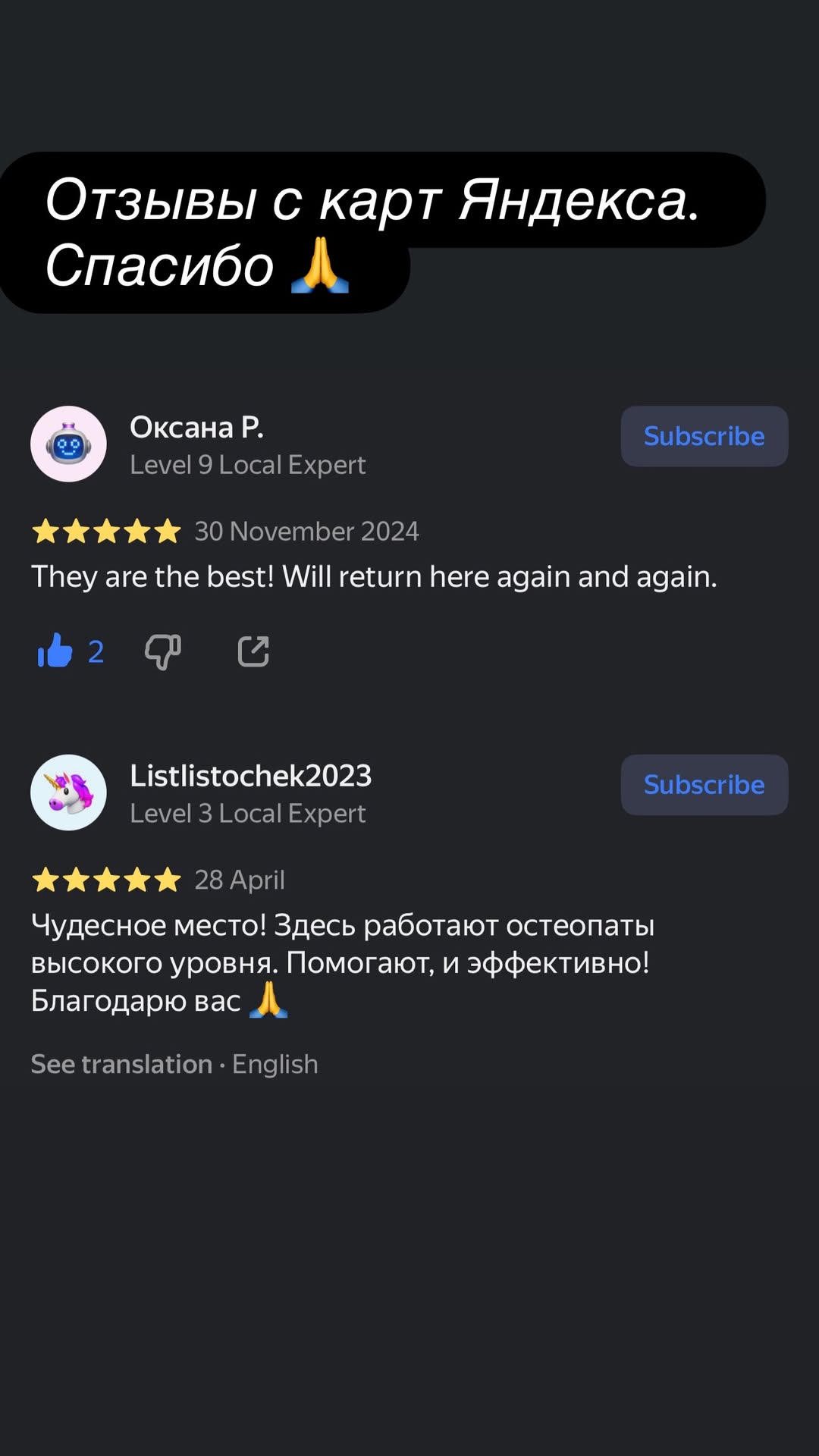
Оксана Р.
They are the best! Will return here again and again.
Listlistochek2023
28 April — year not shown
Translated from Russian
A wonderful place! The osteopaths here are highly skilled. They help, and effectively too! Thank you 🙏
Reviewer not named
Date not shown · 9:29 AM–9:35 AM
Translated from Russian
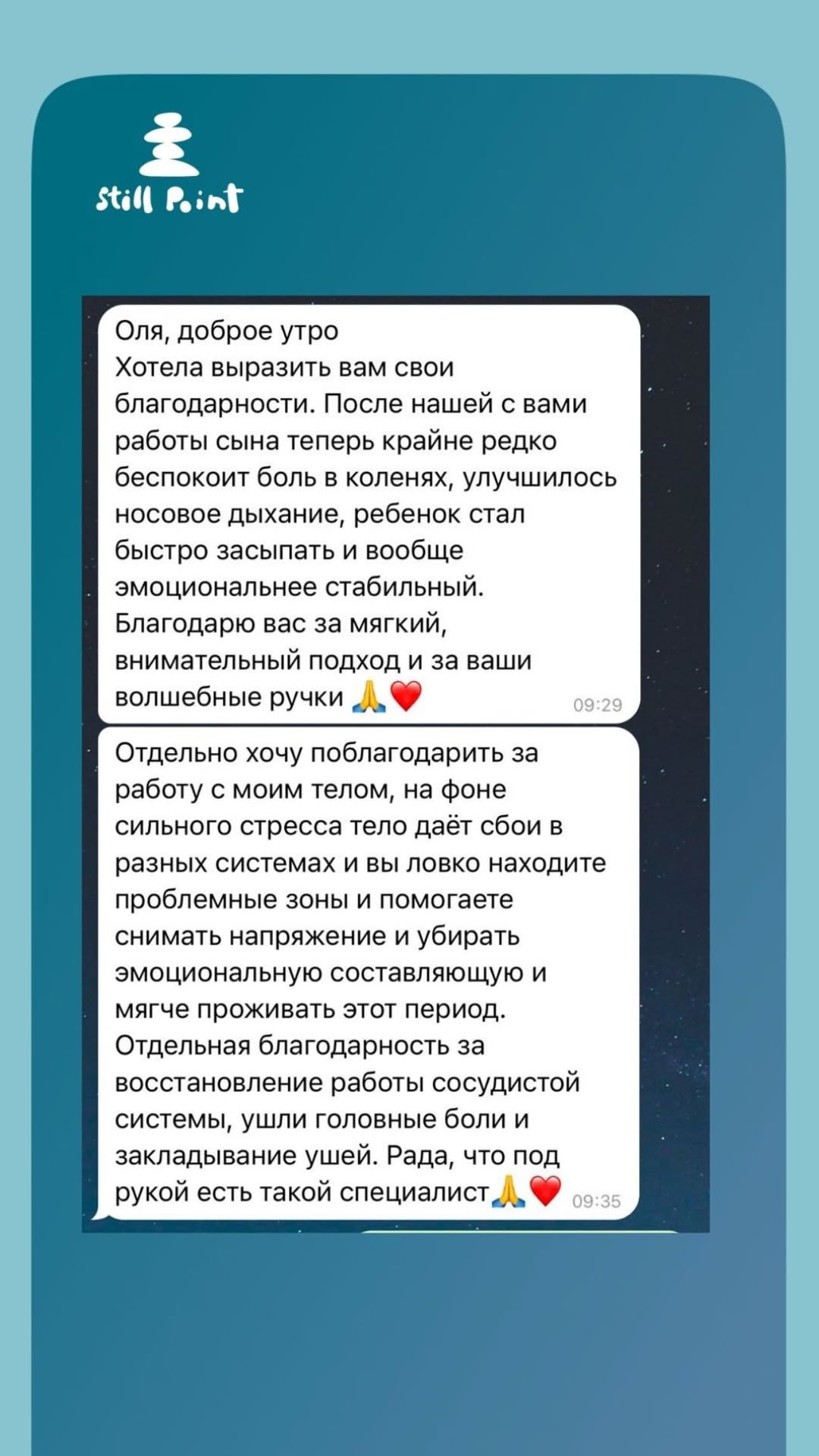
Good morning, Olya.
I wanted to thank you. After our work together, my son is now very rarely troubled by knee pain, his nasal breathing has improved, he falls asleep quickly and is generally more emotionally stable.
Thank you for your gentle, attentive approach and your magic hands 🙏❤️
I also want to thank you for working with my body. Under severe stress, different systems in my body stop working properly, and you skilfully find the problem areas, help relieve tension and the emotional component, and make this period easier to get through.
Special thanks for restoring the functioning of my vascular system: the headaches and blocked ears have gone. I’m glad there’s a specialist like you close by 🙏❤️
Reviewer not named
Date not shown · 2:20 PM
Translated from Russian
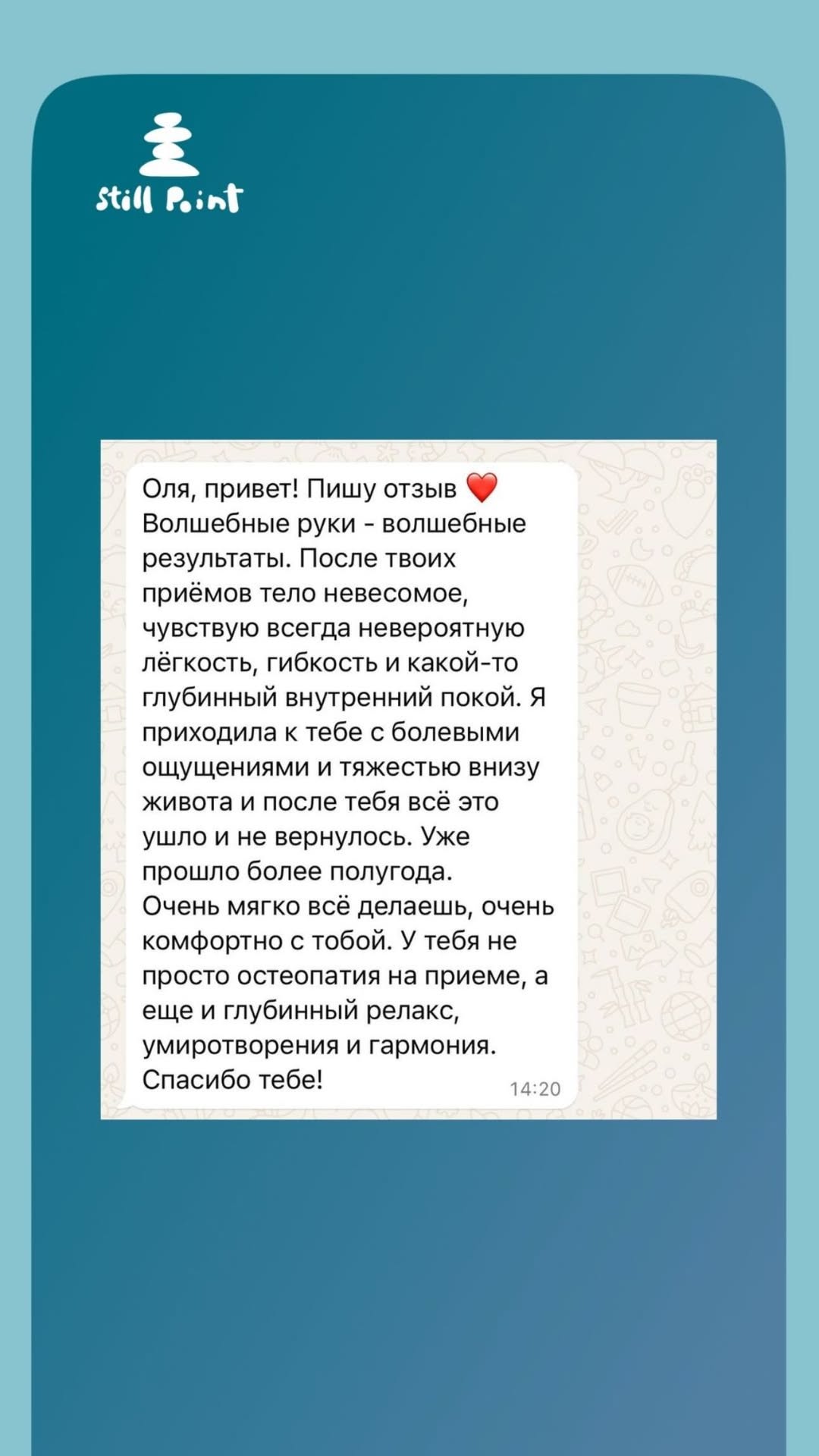
Hi, Olya! Here’s my review ❤️
Magic hands, magic results. After your appointments my body feels weightless. I always feel incredible lightness, flexibility and a kind of deep inner peace. I came to you with pain and heaviness in my lower abdomen, and after seeing you it all went away and hasn’t returned. It’s been over six months now.
You do everything so gently, and I feel very comfortable with you. An appointment with you offers not just osteopathy but deep relaxation, tranquillity and harmony too. Thank you!
Nikk Lantsov
Translated from Russian
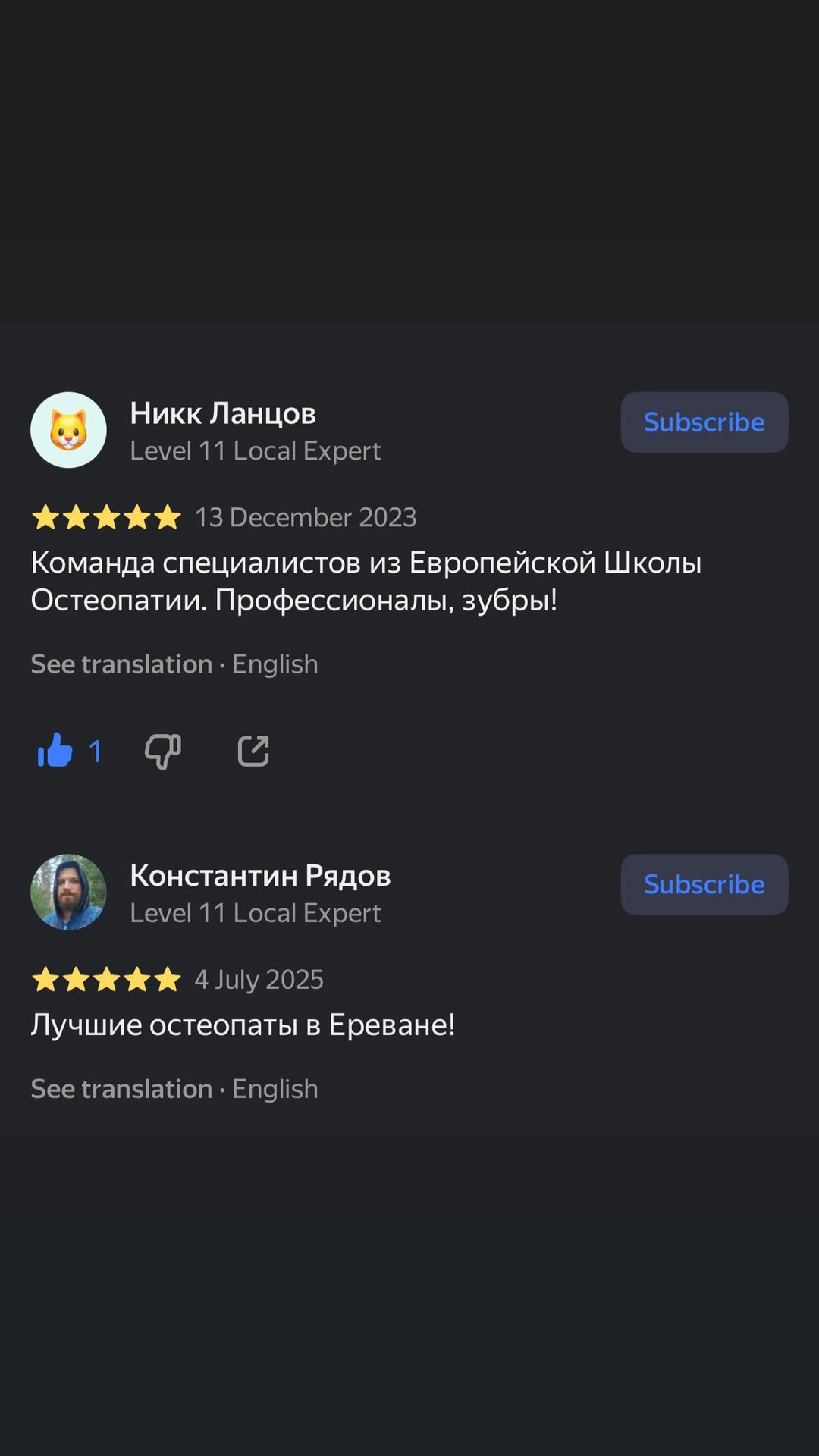
A team of specialists from the European School of Osteopathy. Professionals, real experts!
Konstantin Ryadov
Translated from Russian
The best osteopaths in Yerevan!
Reviewer not named
Translated from Russian
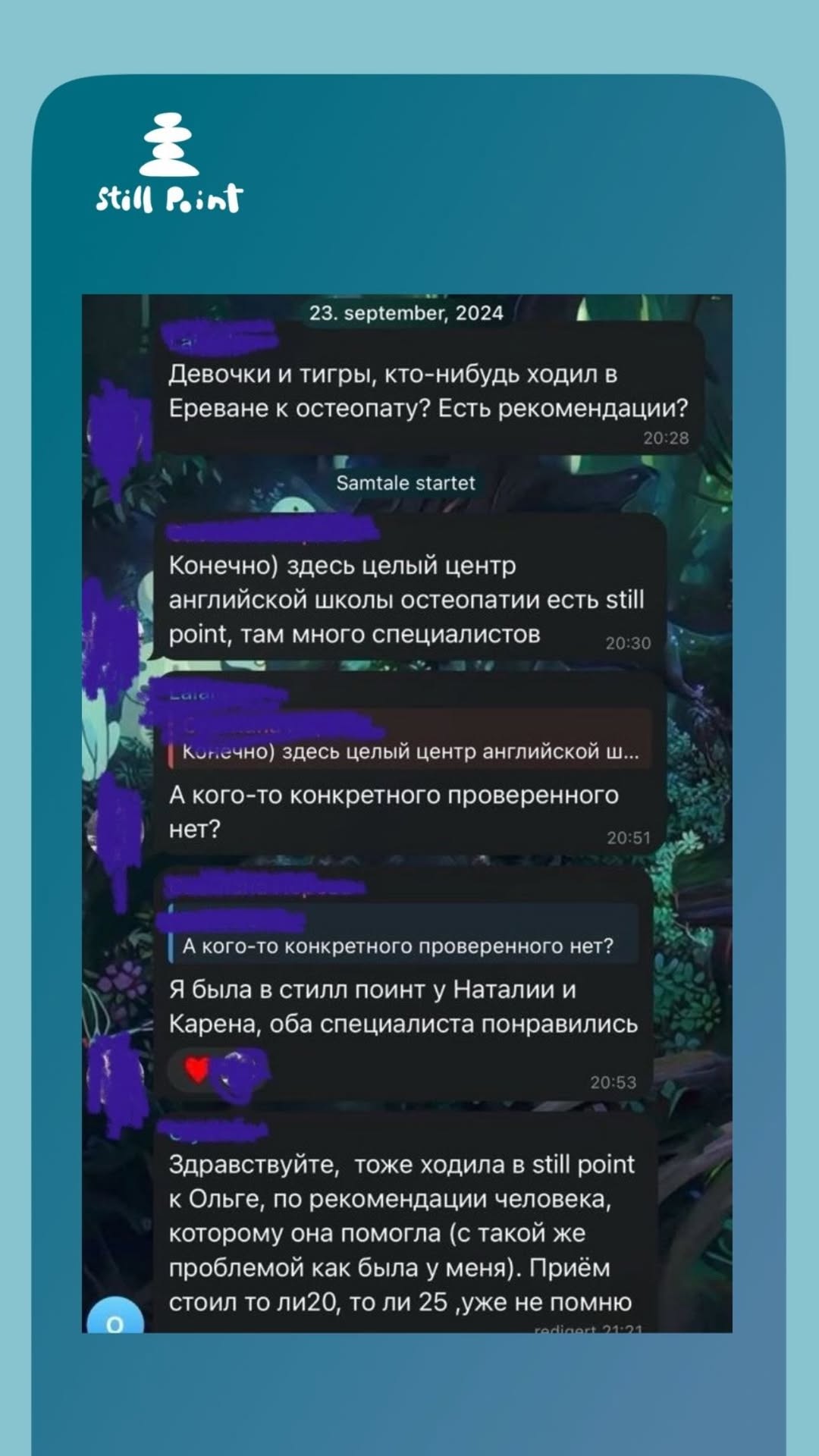
Hello, I also went to Olga at Still Point, on the recommendation of someone she had helped with the same problem I had. The appointment cost either 20 or 25, I can’t remember anymore.
Before your appointment
Please bring any recent clinical investigation results (ultrasound, MRI, X-rays, Doppler ultrasound, etc.).
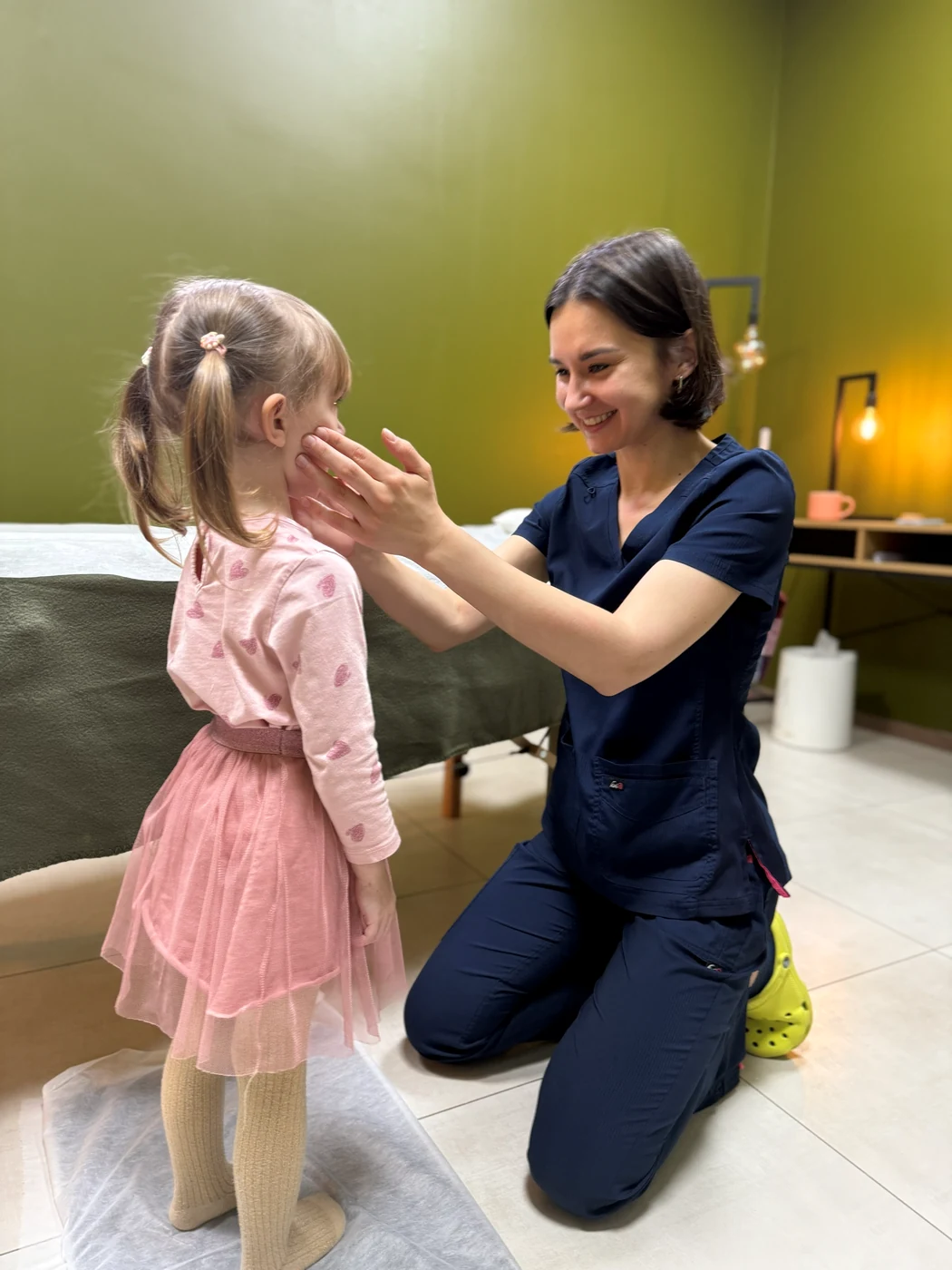
If coming with a child, bring a bottle, a favourite toy or a cartoon on a phone or tablet.
Book online or call our manager on +374 41 252061 or message us on Telegram or WhatsApp.
The manager will explain the next available appointments and answer your questions.
Where do sessions take place?
Yerevan, 2/10 Aharonyan Street, opposite the PARMA supermarket.
Session fees
- Adult session
- 30,000 AMD
- Child session, ages 3 and up
- 30,000 AMD
Appointment languages
Russian
Any questions?
Who is osteopathy for?
Osteopathy is a versatile approach that works with all organ systems, including the musculoskeletal, nervous, cardiovascular, lymphatic, reproductive, endocrine, urinary and digestive systems. We most often see people with back, neck or joint pain or headaches, among other concerns.
Osteopathy may suit you if you:
- Have pain or discomfort that persists after a doctor found no problem.
- See a doctor, take prescribed medication and are looking for additional ways to support your recovery.
- Want a practitioner who will consider your individual circumstances and health as a whole.
- Have repeatedly been told that your concern is imaginary and want a practitioner who will take it seriously.
- Are worried about yourself or your child even though tests have found no problem.
- Try to avoid unnecessary medication and are looking for safer ways to care for your health.
- Have lost ease of movement.
- Have been through a difficult period and want to get back to normal sooner.
What concerns do you work with?
The range is broad: almost any pain — in the back, neck, head, elbow, hand, shoulder, knee or foot, or during menstruation — provided you have already been examined by your treating doctor; loss of ease of movement; low energy; recovery after a difficult period.
I have never seen an osteopath. Where do I start?
Read the information on this page and book an appointment if the method interests you.
When is osteopathy unsuitable?
Like any approach, osteopathy has its limits. In some cases it can be ineffective or unsafe. Before attending a session, check the following diagnoses and conditions:
- Acute heart attack or stroke.
- Acute injury, for example after a fall or a traffic accident if you have yet to see a doctor.
- Thrombosis.
- Bleeding. If you are menstruating or have haemorrhoids, tell your practitioner. The session can still go ahead.
- Acute infection, including fever, severe weakness, diarrhoea or vomiting. You can come for recovery support once the acute phase has passed.
- Cancer. If you are receiving treatment, check with your treating doctor in advance to confirm whether you can attend.
- Psychiatric conditions or epilepsy that are uncontrolled by medication.
- Dizziness or changes in breathing, bowel movements or urination. See a doctor first.
Osteopathy relies heavily on what the practitioner feels through touch, which is subjective. We cannot diagnose conditions or guarantee the outcome in an individual case. Fortunately, results are generally quite good.
Is osteopathy the same as manual therapy?
These are different specialties with some overlap. Osteopathy includes approaches such as:
- Visceral osteopathy (work with internal organs).
- Cranial osteopathy (work with the skull).
- Work with neurovascular bundles.
- Muscle energy techniques.
- Balanced ligamentous tension, work with fascia and other techniques.
These approaches are outside the scope of manual therapy as described here. Manual therapy focuses mainly on the musculoskeletal system, while osteopathy considers the body as a whole.
Check appointment availability online or with our manager.
All osteopaths